Two live feeds. Full coverage.
EverSense works on day one from the archive and your service history. Add real-time oil monitoring and direct PLC integration, and it reads every unit the moment a reading changes.
The oil knows first.
Wear and contamination show up in the oil weeks before vibration or temperature move. Inline oil sensing lets EverSense read it around the clock and flag trouble while about 90 percent of a bearing's life is still ahead, the window where vibration often stays quiet until the part fails.
Wear debris
Metal shed from bearings, liners, and rings. Size and count track the damage: 50 to 100 microns means abnormal wear, 150 and up indicates a failure in progress.
Contamination
Water, fuel, and coolant in the oil. Water at just 100 to 400 ppm already shortens bearing life, and free water can cut it in half.
Oil condition
Oxidation, viscosity, and acid number, the health of the oil itself. The moment the trend moves off baseline is the first alarm.
A mailed-in lab sample is pulled monthly or quarterly and sits in transit for days. Continuous monitoring catches the change the moment it starts.
Read the whole unit, live.
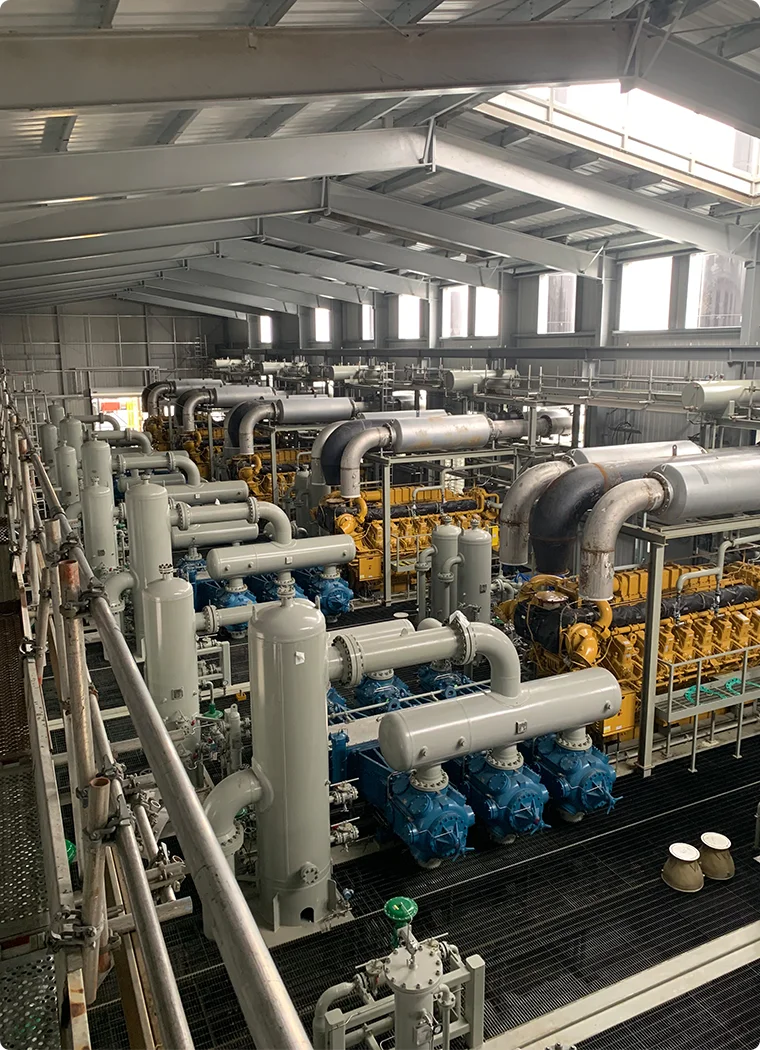
Your unit's controller already tracks how it is running. Connect it and those readings stream into EverSense, so every diagnosis weighs the live operating picture, not just the oil. A unit drifting off its normal operating point is often the first sign of trouble.
What it streams
Suction, discharge, and interstage pressures, cylinder and coolant temperatures, RPM, throughput, lube-oil pressure, and frame vibration, the same channels the controller already runs on.
What the drift reveals
When pressures, temperatures, or flow drift from their normal operating point, it points to valve, ring, and packing wear, the most frequent cause of unplanned compressor shutdowns.
Always on, never missed
A manual round happens once a shift, if the workload allows. Live telemetry has given operators five to seven days of warning before a failure that rounds would have missed.
No single signal sees everything.
Vibration, temperature, oil, and operating data are all recognized condition signals in the ISO standard for condition monitoring, and no one of them catches every fault. Oil shows wear and contamination. The PLC shows how the unit is running. Read together, and weighed against 30 years of repairs, they tell a real fault apart from a unit that is only running under heavier load. That is the platform running on every signal.
of a bearing's life still ahead when the oil flags the wear
of advance warning live operating data gave over manual rounds
oil, the PLC, vibration, and 30 years of repairs, weighed together
Add them when you are ready.
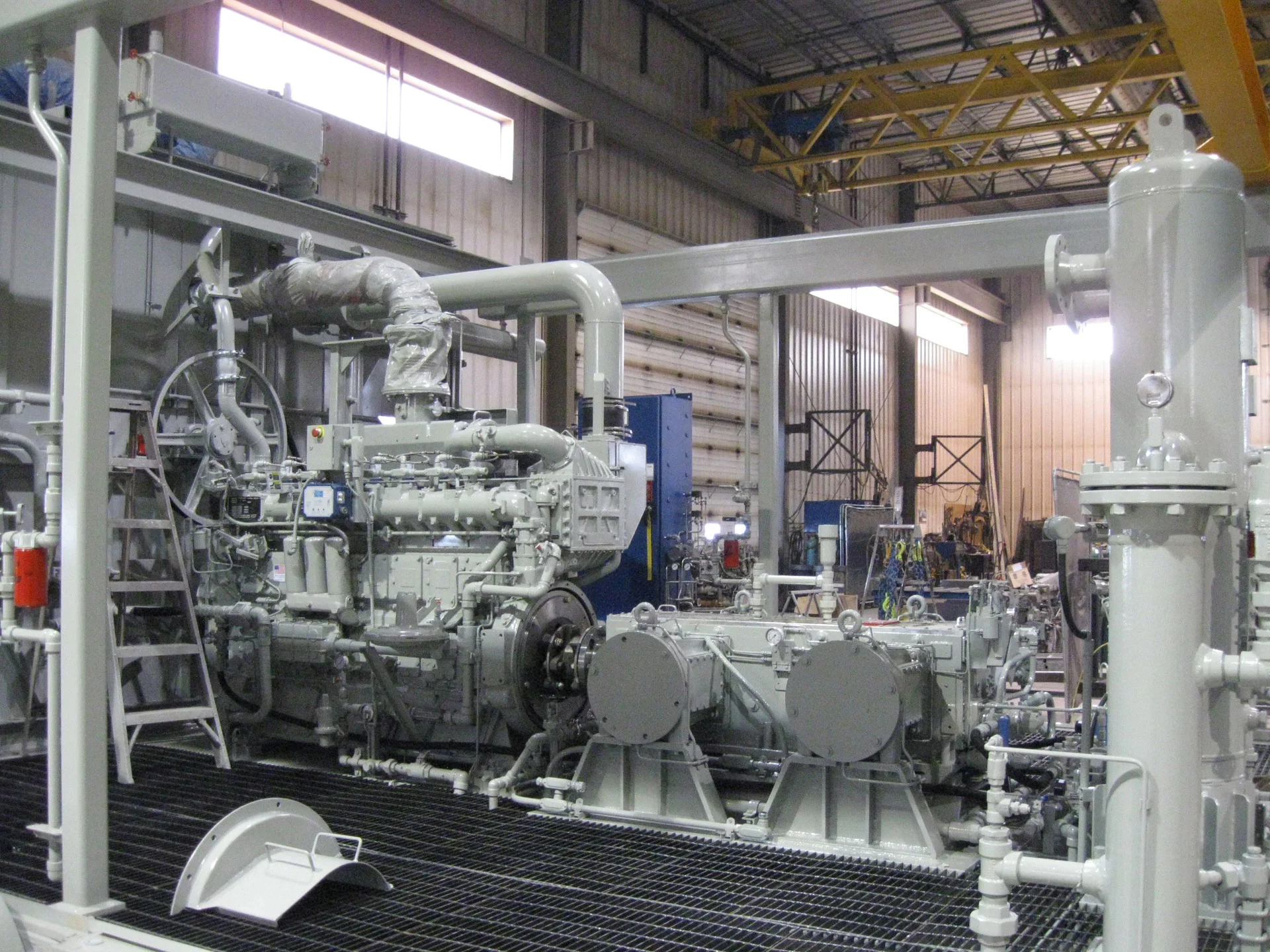
Oil sensing and PLC integration are upgrades, not requirements. We set up the sensor and the PLC link, and from then on EverSense reads them around the clock and folds them into every diagnosis.
Book a Demo